Photo by Dustin Scott Harvey
In September of 2013 an estimated 7,500 songbirds were killed when they flew into a gas flare at a natural gas plant in Saint John, New Brunswick, possibly because they were confused by the brightness of the light, and were drawn to it like moths. The birds had been on their way further south to Mexico and Central and South America as part of their annual migratory pattern. The small corpses of the birds were then kept in a freezer by the zoology department at the New Brunswick Museum, so that each species could be identified. Some of the birds were thought to be species that are already at risk or even endangered in Canada. In October of 2014 charges were laid against the Canaport liquefied natural gas facility under the Migratory Birds Convention Act and the Species at Risk Act. Canaport LNG LP pled guilty and a provincial court judge ordered the company to pay $750,000, which was distributed amongst several environmental and wildlife organizations. As reported recently by the CBC, Wildlife organizations in New Brunswick continue to have huge concerns about the threat to wildlife, especially wildlife already at risk and vulnerable, due to the construction of additional natural gas plants.
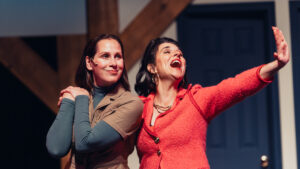
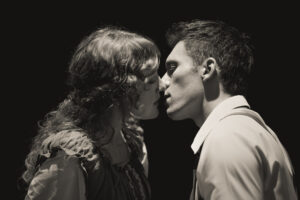
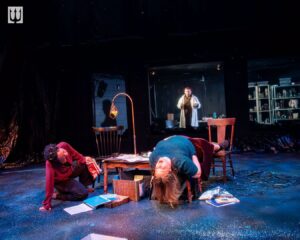
Icarus, Falling of Birds is a performance art piece presented by Gale Force Theatre, offering two shows at York Redoubt on August 22nd and 23rd and one today, August 24th, at Ross Creek Centre for the Arts in Canning Nova Scotia, which is very much a requiem for the birds.
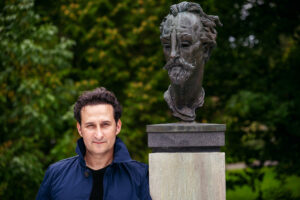
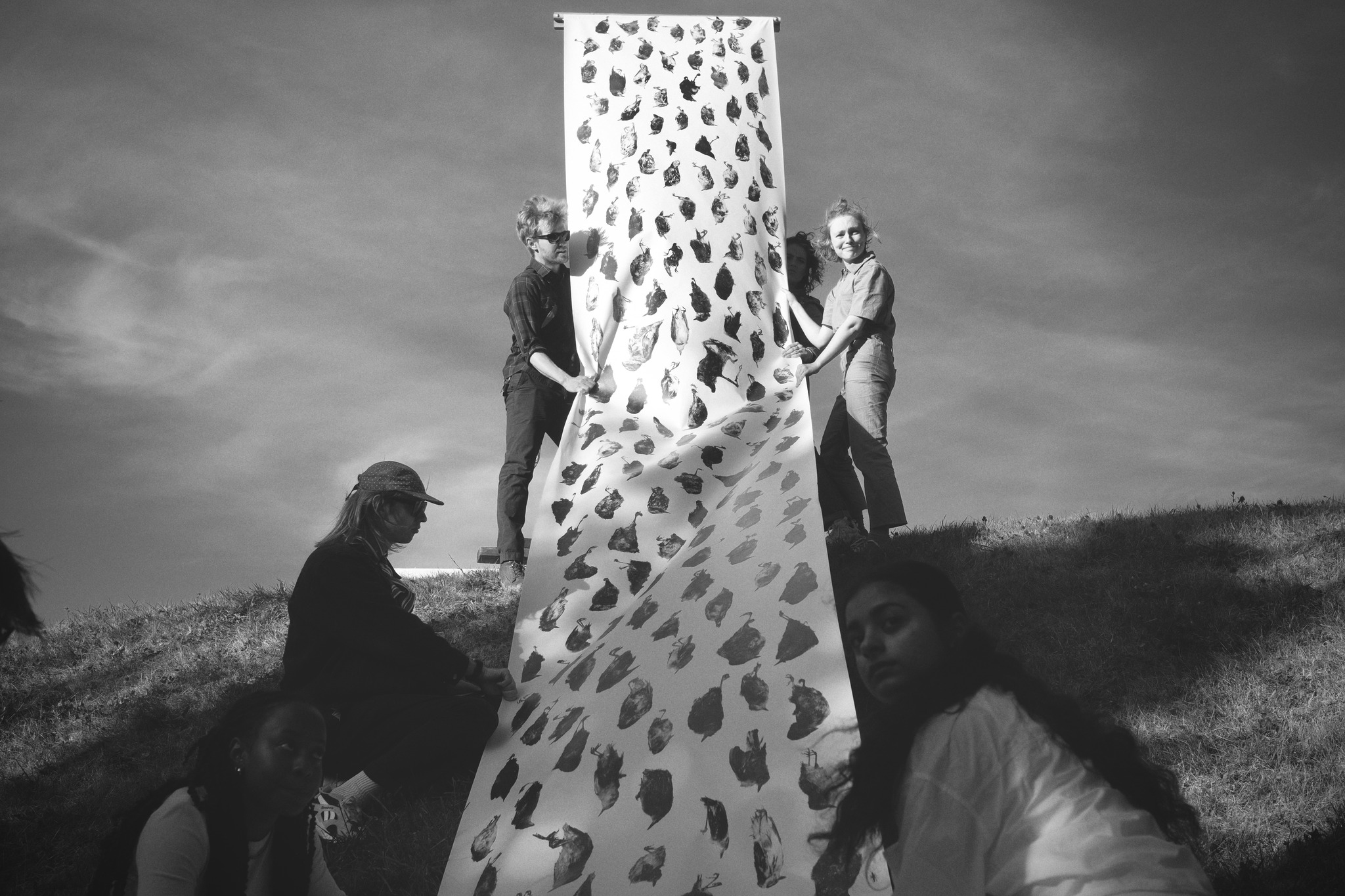
Harry Thurston and Thaddeus Holownia created a book, published in 2019, to memorialize the birds called Icarus, Falling of Birds, and this theatre piece is very much is about bringing that book to life. Harry Thurston is a poet and journalist who has written more than thirty books of poetry, natural history, and memoir. He wrote the poem that makes up the largest textual element of both the book and the play- the poem, of course, is a reflection on what happened to these birds, and what it says about us, as humans, that we allow our fellow creatures to be so consistently endangered by our zest for “progress.” Thaddeus Hołownia is a photographer, teacher, and visual artist, and he took photos of some of the dead birds, making sure that each of the species were represented, and then arranged them in metaphorical spacing along with Thurston’s poem.
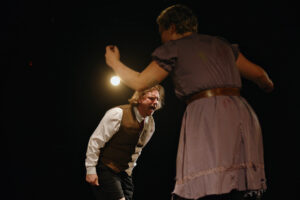
In the performance piece the audience arrives and they are given feathers to symbolize that now they too are a flock of birds. The audience follows flag bearers, members of the youth ensemble, to three different areas of the theatre space (in my case, York Redoubt), on our own sort of migration. At the first space we were treated to some very beautiful but melancholy music composed by Rachel Bruch and performed by Anna Shabalina on cello, and Japhy Sullivan and Indi Tisoy Morales on violin. In the second location we saw the youth ensemble portraying the birds and interacting with two giant hands, puppets made from straw and being manipulated by two puppeteers each. The fingers from the hands moved, and the birds are both curious and alarmed by them. At one point one of the birds is caught, but then released, and at the end the hands come to rest as a nest. The hands are metaphors, perhaps, for humans’ work or anything done by human hands- we are gigantic compared to these little birds, and we can be both forces of nurturing and also the architects of disaster for them. Harry Thurston read his poem in the third location, with the youth ensemble, still as birds, interacting somewhat with him, and then handing out copies of Holownia’s photographs, so we all got own our little dead soul to take home with us. Mine was a Bay-breasted warbler. This feels very much like receiving a memorial card at a funeral. Indeed, Icarus, Falling of Birds felt much more to me like attending a performance art funeral piece than a “play” per se. If Co-Directors Franziska Glen and Lily Falk are thinking of expanding this piece, I would like to see even more immersive participation from the youth ensemble, but as a self contained multidisciplinary piece I think the idea of simply gathering in this way to hold space for these birds is a beautiful sentiment in itself.
The choice to stage the piece at York Redoubt is a poignant one. This land was first fortified in 1793 by the British on the bluff overlooking Halifax Harbour at Ferguson’s Cove, and it has served as a military defence fortress where it’s been fitted with defensive minefields, guns, and cannons, since then, through both World Wars, until 1956. It is now a National Historic Site, and essentially a city park where folks can (usually) hike through wooded trails, have picnics, and take in the stunning views of the water. In this way, this land was once also inherently very dangerous for the city’s wildlife- but now the land has been returned as a bit of a safe haven for both the creatures and the birds who live in the park. This venue is very much the essence of the two giant hands metaphor in the piece. Taking the play to the much more pristine North Mountain at Ross Creek is an interesting choice again. There the birds in the play will be even more protected by a more natural habitat.
Looking across the harbour towards Point Pleasant Park we can also see the large shipping pier there, a testament to how we continue to love to mix our industry with nature. Point Pleasant Park, of course, is mostly closed, as are the hiking paths at York Redoubt, because of the wildfire risk- a clear consequence of both climate change and unsustainable forestry practices. The Long Lake wildfire in the Annapolis Valley remains out of control today and is rapidly spreading. The firefighters are doing an absolutely valiant job protecting folks’ homes, and other structures; they managed to save a memorial to a World War II plane crash in the area, but what about all the forest creatures, and the birds who live around Long Lake? Both Thurston and Holownia have been asking in their work: what is it going to take for us to recognize the perpetually destructive impact we have on the rest of our planet’s creatures?
Certainly being given a photograph of an individual bird from the thousands that were killed that day in 2013 makes the event much more tangible and easier to grieve. Perhaps folks will name their birds, will donate to charity in memory of them, will find it more difficult to forget about them than they would in just reading a newspaper article. There’s a popular social media quote from Lauren Morril where she wrote in January of 2017, “I don’t know how to explain to you why you should care about other people.” This has become a cornerstone of the zeitgeist for obvious reasons, but, perhaps it’s overdue that we amend it to include all living things.
Icarus, Falling of Birds may be a sad reminder of a tragic event in our region, but it was created by a group of people whose loving, tender care is also both delightful and inspiring.
Gale Force Theatre’s Icarus, Falling of Birds has one more performance- today at 6:00pm at Ross Creek Centre for the Arts and it is SOLD OUT.
Incoming search terms:
- https://www twisitheatreblog com/?p=5921